


The European project moves forward in the production of vehicle-grade biomethane from agri-food waste.
LIFE CHANDELIER has entered its decisive phase. The demonstration plant inValderrobres (Teruel) has already completed approximately 85% of the work required to start biogas production, a key step toward generating vehicle-grade biomethane from agri-food waste.
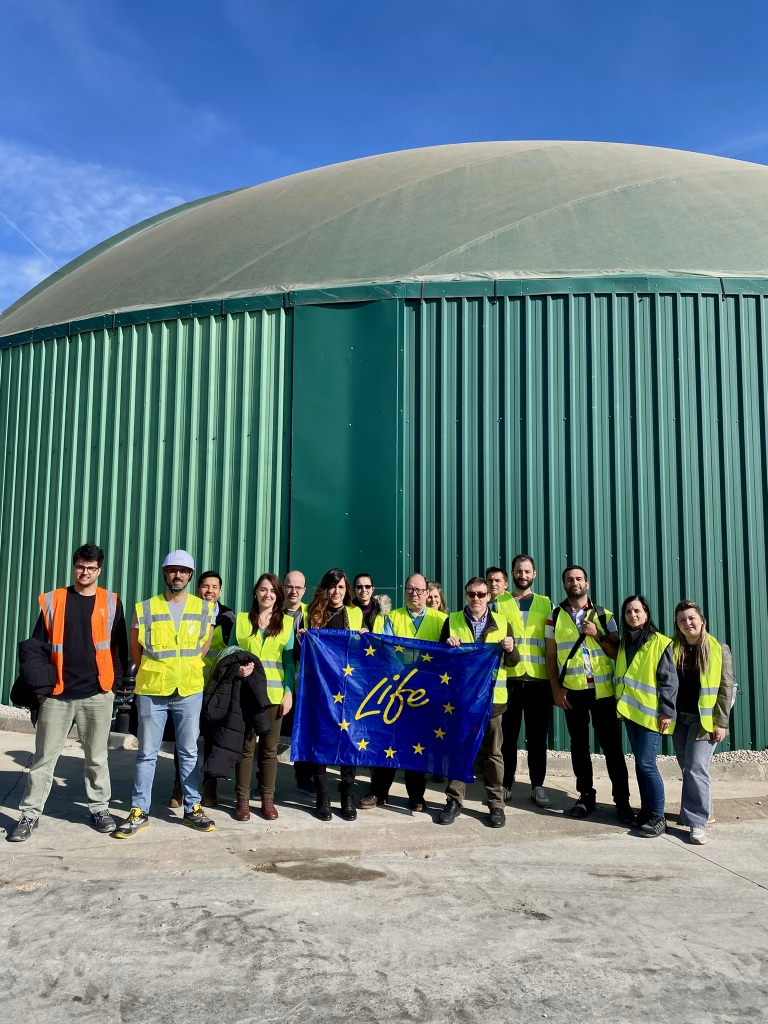
This progress was presented on February 24–25 during the consortium monitoring meeting with the European Commission, held in Valderrobres. The meeting showcased the technical advances achieved so far and included a visit to the plant, where technological solutions are being implemented to optimize the production process.
A Key Technical Milestone
Among the main achievements is the completion of the plant’s electrical installation and the delivery of all equipment necessary for biogas production.
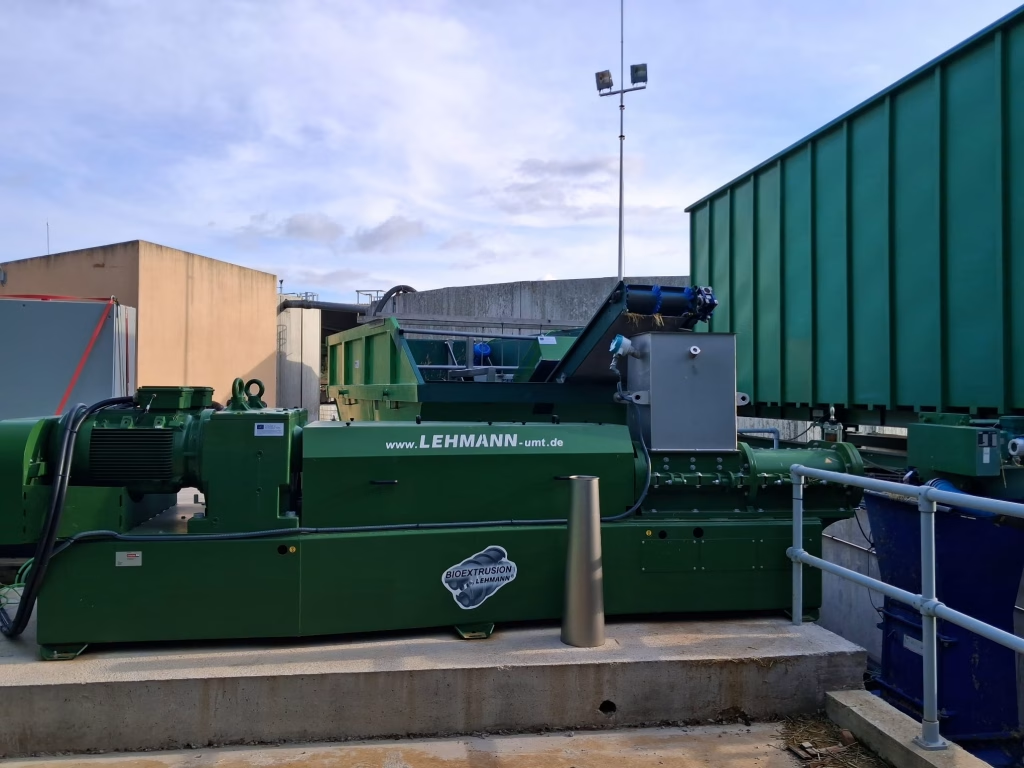
Currently, the mechanical connection between two fundamental system components remains pending: the 100 m³ anaerobic digester and the bioextruder, with completion scheduled for mid-March. Once this phase is finished, biogas production will begin, and by the end of April, high-quality biogas is expected. Biomethane production is planned for July.
This milestone will mark the beginning of a new stage focused on scaling up the process to an industrial-scale biodigester and validating biogas and biomethane for vehicle use.

Technological Innovation for Rural Sustainability
LIFE CHANDELIER aims to develop and demonstrate an innovative, efficient, and sustainable system for small- to medium-scale biomethane production, contributing to the valorization of agri-food waste and promoting the circular economy in rural areas.
The Valderrobres demonstration plant serves as a model with high replicability potential in other European regions, especially in areas with a strong agri-food presence. The project demonstrates that the energy transition can go hand in hand with rural development, creating new opportunities from local resources.
Aragon Food and Nutrition Cluster acts as the coordinating entity of the consortium, playing a key role in facilitating collaboration between companies, technology centers, and actors in the agri-food and energy sectors.
Within the project, Genia Bioenergy, Inderen, Instituto Tecnológico de Aragón, Eurecat, and GUCO work together, bringing complementary expertise in bioenergy, engineering, technological development, and industrial integration. This collaboration strengthens the ecosystem’s position as a reference in innovation applied to sustainability and the bioeconomy.
With production expected to begin this summer, LIFE CHANDELIER consolidates its progress toward one of its main goals: demonstrating the technical and environmental viability of biomethane as a renewable energy solution for transportation.

